
What Supports Healthy Aging in Assisted Living?
Staying healthy in assisted living depends on regular routines that support both the body and mind. This means taking steps—large and small—to adapt daily life for aging, weather patterns common in southwestern Pennsylvania, and the communal environment typical of McKeesport residences. Residents often wonder how to build habits that truly make a difference and fit local realities.
Key considerations include structured activity, personal safety, moderate exercise fit for local infrastructure, social interaction, and balanced diets using available resources. Effective healthy aging in the city involves using indoor spaces during colder or rainy seasons, connecting with neighbors, and adapting to apartment-style community layouts.
How Can Residents Stay Physically Active in Assisted Living?
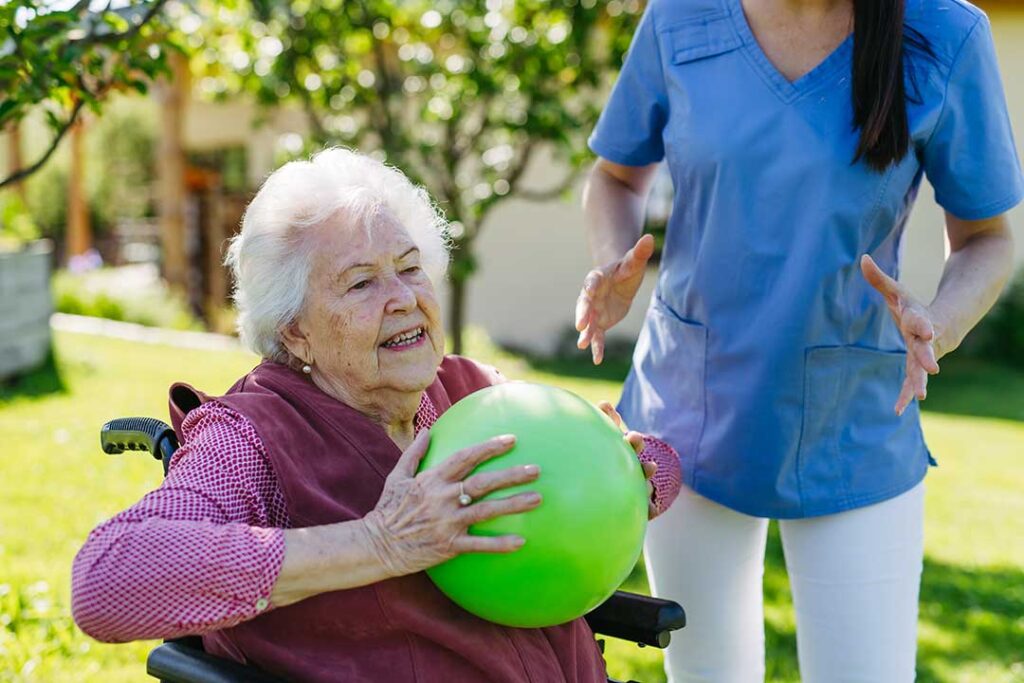
Light, daily movement is essential for mobility, circulation, and energy. Most assisted living communities in McKeesport are designed with indoor walking corridors or communal areas, which help residents stay active regardless of outdoor weather. On milder days, walking paths or nearby park-like green spaces may also be accessible, though navigating hills or uneven sidewalks can be a concern.
Residents often benefit from:
- Walking laps in hallways or courtyards
- Chair-based stretching or exercise routines available through in-house activities
- Gentle hand weights or resistance bands for strength (as approved by a health provider)
- Participating in group movement classes when offered
Many underestimate the value of consistency. Rather than focusing on duration or intensity, incorporating physical activity several times per week, even for short periods, proves more helpful than sporadic long sessions.
What Are Realistic Nutrition Tips for Local Seniors?
Balanced nutrition in assisted living is shaped by available meal services and personal limitations. In McKeesport, assisted living residents typically receive meals prepared on-site, but questions about customizing choices, portion sizes, or managing health conditions like diabetes are common.
Practical strategies include:
- Prioritizing fruits, vegetables, whole grains, lean proteins, and dairy, as available in menus
- Choosing water or unsweetened beverages to manage hydration, especially during hot Pennsylvania summers or when indoor air is dry
- Asking about lower-sodium and low-sugar options, as many standard menus can be modified on request
- Using snacks such as yogurt, nuts, or fruit when possible, if additional nutrition is needed outside meal hours
Residents are sometimes surprised that even small changes, such as switching dessert for fruit or choosing grilled over fried options, add up over time.
How Do Assisted Living Residents Stay Mentally Engaged?
Mental well-being is supported by staying curious, challenged, and socially connected. Communities in McKeesport often offer puzzles, discussion groups, book clubs, or arts and crafts, but it’s helpful to personalize engagement based on interests and physical ability.
Residents may:
- Try word games, crosswords, or card games with neighbors
- Participate in creative projects like painting or knitting groups
- Attend guest speaker events, history talks, or music programs organized on-site
- Share skills or hobbies by leading an informal session for peers
Many assume mental stimulation must be formal, but informal chats in shared lounges or phone calls with family are just as valuable. The goal is to keep routines flexible so engagement feels enjoyable, not like a chore.
How Can Residents Safely Manage Medications?
Questions often arise about how to organize daily medication routines, especially as memory changes or multiple prescriptions complicate the process. Many assisted living communities in McKeesport offer some support, but individual responsibility remains important.
Helpful habits include:
- Keeping an up-to-date list of all medications and doses in an easy-to-access location
- Setting visual or auditory reminders, such as clocks or pill organizers with alarms
- Requesting clarification or written instructions from nurses or staff for any medication changes
- Asking for medication reviews during regular check-ups to address concerns about side effects or interactions
Missed or extra doses are common misconceptions about medication management. Open communication with staff helps ensure safety without embarrassment.
What Social Opportunities Exist for Local Residents?

Social connection is a core part of well-being and is consistently linked to improved mood and resilience. In McKeesport, communal meals, group activities, and shared common rooms encourage interaction—yet residents sometimes worry about fitting in or meeting new people.
Finding a comfortable level of engagement might involve:
- Attending regular group meals, even if not every day
- Joining resident councils or community planning meetings
- Participating in seasonal events, such as holiday gatherings or community gardening days
- Simply sitting in common areas and greeting others to foster a sense of belonging
It’s a common misunderstanding that all residents adjust socially at the same pace. Feeling hesitant about new groups is normal; small steps, like waving to neighbors or sharing a coffee, can significantly increase comfort and connection over time.
How Can Local Residents Address Changing Health and Mobility?
Mobility changes are a frequent topic in communities throughout McKeesport due to winter weather, older building layouts, and the realities of aging. Residents may find it useful to regularly assess fall risks around their living space and seek out resources for small adjustments.
Practical actions:
- Arranging furniture to leave clear walking paths and avoid trip hazards
- Asking for grab bars or non-slip rugs in bathrooms, if not already provided
- Wearing sturdy, non-skid footwear appropriate for both indoor and outdoor use—especially in icy or wet conditions
- Reporting concerns about lighting, stairs, or uneven flooring to property managers to prevent accidents
A common misconception is that mobility aids signal a loss of independence. In reality, items like canes or walkers can increase confidence and allow continued participation in activities around the community.
What Role Does Routine Play in Daily Well-Being?
Following a daily routine provides predictability, which can reduce stress and make transitions smoother, especially if memory or attention changes. Residents in McKeesport often notice that keeping to meal times, sleep schedules, and planned activities helps days feel more manageable and meaningful.
Effective routines may involve:
- Setting similar wake-up and bedtime hours each day
- Scheduling time for favorite hobbies or relaxation
- Planning regular check-ins with friends, family, or staff
- Using written notes, calendars, or clock reminders if needed
Residents sometimes overlook the benefit of regular daily structure until disruptions—such as changes to staff schedules or seasonal activities—make it harder to cope. Small, familiar rituals have added significance in assisted living, supporting both independence and emotional comfort in everyday life.
